
Back

Help Me See It Differently
Watch how this method is used
Doing it Right
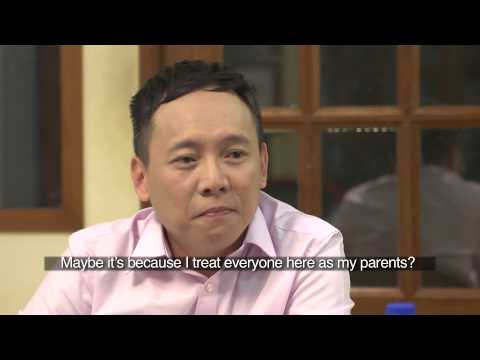
Doing it Wrong
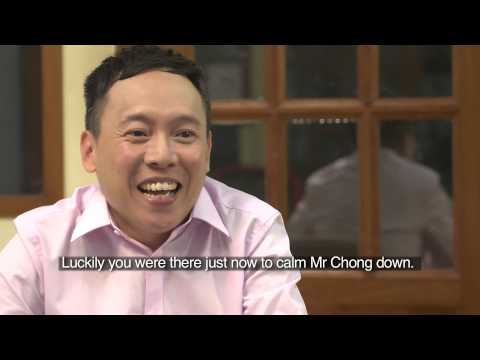
Organisational Learning Method – Guided Reflection (Organisation-driven)
Watch video
Guided reflection is a reflection process lead by someone such as a team leader or manager. The process can occur informally as a conversation; or structured as a meeting; especially for incidents which are complex and involving many people. At first glance, there appears to be some similarities with coaching. However, guided reflection emphasises more on the exploration of the feelings and thinking of the individuals and aims to uncover hidden assumptions and new perspectives. The thinking process of the individual/group in guided reflection also tends to be more introspective.
The following steps outline how you can carry out the process:
- Identify the workplace incident for reflection and prepare the List of Questions for Guided Reflection.
- Open the session in a friendly manner, state the objective and set the ground rules of the reflection with the learners.
- Ask questions on the recall and/or description of the facts of the workplace incident before more analytical and introspective questions.
- Keep the focus on learning. Ensure that the session does not become a blaming or fault finding session.
- Manage the participation appropriately. Invite the quieter staff to speak up and moderate excessive sharing by dominant ones.
- Close the session by asking the learners to think of how to transfer what they learnt to another work situation.
- Organisation / management
- Choose someone in the organisation who is patient and demonstrates an open and accepting attitude. This enables others to feel safe to share their inner thoughts and feelings.
- Ideally, the person should have good listening and paraphrasing skills and can remain neutral and professional during the reflection process.
- Provide resources such as a List of Questions for Guided Reflection for ‘workplace trainers’ where needed.
- Workplace ‘trainer’
- Use simple and easy to understand open questions.
- Stay neutral and objective at all times. Allow the individual/group to do their own thinking and do not provide your perspective.
- Always encourage sharing and accept of the responses offered as they are. There are no “model answers”.
- Address any lapses in operational processes and procedures at a separate time. Do not interrogate or assign blame.
- Workplace ‘learner’
- Ask questions to clarify if you do not understand what the question means.
- The guide may sometimes answer your question with another question to get you to do your own thinking. So do not get upset with them.